Before adding a new skincare product to your routine
A starting guide to checking product information, testing a small area and noting changes.
The short answer
Check the exact product, ingredient list and use restrictions first. A small-area trial is an observation before wider use, not a medical allergy test or a guarantee against future reactions.
Check the product first
Read the full name, expiry or period-after-opening symbol and instructions. A highlighted ingredient is not the complete ingredient list. Compare your package with the product you ordered; products in the same range may differ. Ask support about missing information before use.
A small-area trial
AAD describes observing a small area for 7–10 days. Do not exceed your product’s frequency or rinse-off directions; stop after a reaction and seek a dermatologist for severe symptoms.
Keep track of your routine
Note the product name and start date so that changes remain easy to trace. This record is not a diagnosis or clinical allergy test. Our product pages support shopping comparisons, not personal treatment plans. WhatsApp support can help you locate the product’s usage information.
Keep rinse-off limits during a trial
AAD’s small-area approach does not turn a rinse-off product into a leave-on product. Read the cleanser’s own contact and rinsing directions; do not leave it overnight or apply it more frequently than labeled just to observe it. A serum being leave-on does not give all serums the same schedule. If its label sets a less frequent start, general home-trial advice is not permission to exceed it.
A practical template for your trial record
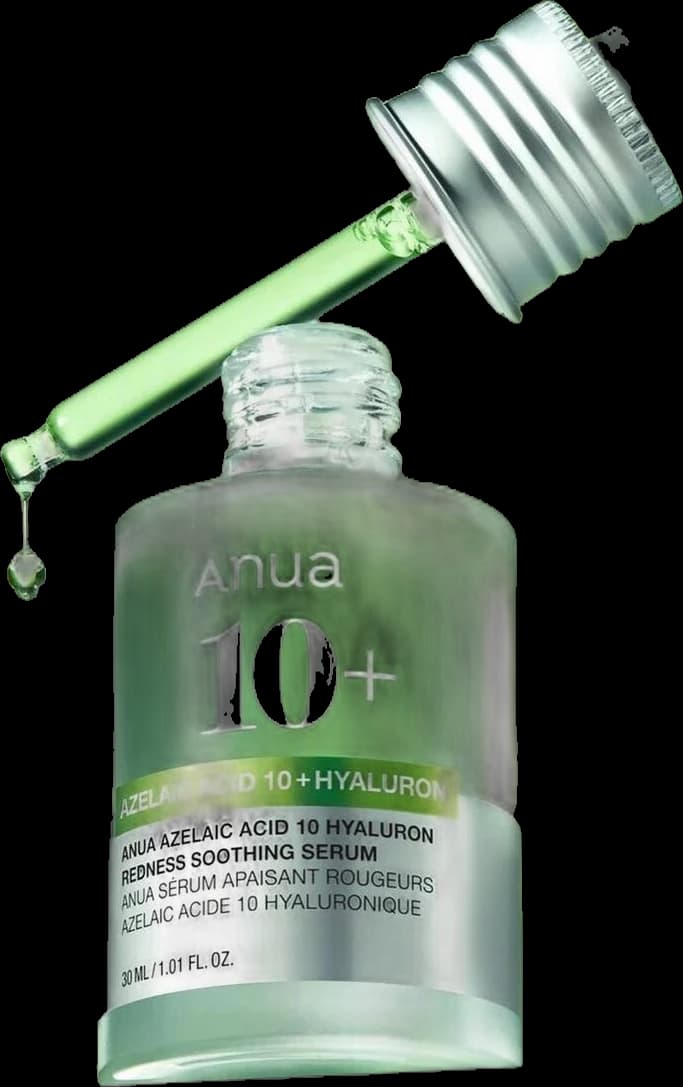
Keep separate fields for full name and size, batch/expiry information, rinse-off or leave-on format, labeled starting frequency, start date and observed changes. For example, record the order and frequency of Anua Azelaic Acid 10 Hyaluron Serum 30 ml separately. Avoid making the record unclear by adding several new products together. An uneventful home observation does not guarantee against future reactions and is not a clinical allergy test.
Compare at a glance
- Rinse-off products
- Do not treat a cleanser like a leave-on serum. Keep to its contact and rinsing directions during a trial too; leaving it longer does not make the trial more reliable.
- Leave-on products
- AAD’s general small-area approach is twice daily for 7–10 days. It is not permission to exceed an acid or retinoid product’s lower labeled frequency; ask a professional about an appropriate trial.
- An observation record
- Record the name, batch, start date, frequency and observed changes. Several new products at once make it harder to tell which change you are observing.
- The label sets the trial limits
- Do not put contact time and frequency in the same field. Separate cleanser rinsing, serum starting schedules and the application areas of face and eye-area products.
Common questions
Does a clear trial guarantee safety?
No. Home observation cannot rule out all sensitivities. Stop if a reaction develops later; seek professional advice for severe or persistent symptoms.
Are key ingredients the full ingredient list?
No. Key ingredients are a selected summary. Match the full INCI list to your package and verify formula or batch differences before use.
Can I apply AAD’s general trial frequency to every product?
No. Do not exceed a product’s own limits for a less frequent start, rinsing or application area. If a suitable trial is unclear, particularly for an acid or retinoid product, ask a health professional instead of increasing use.
Our guides draw on the linked professional organizations and manufacturer directions. Shopping comparisons are our own; follow your packaging and healthcare professional’s advice for personal use.