Toner or toner pads? Differences and how to choose
Compare bottled toner and pre-soaked pads by application, formula and quantity. Distinguish hydration-focused choices from exfoliating products.
The short answer
The basic difference is application format, which does not determine the effect alone. Compare formula, purpose and directions. Using one does not make the other essential.
Format is the start, not the whole comparison
Bottled toner is usually described in ml; pads by count and sometimes liquid volume. Similar jars or headline ingredients do not make products interchangeable. Compare application, full ingredients and the manufacturer’s intended use.
Why two manufacturer directions differ
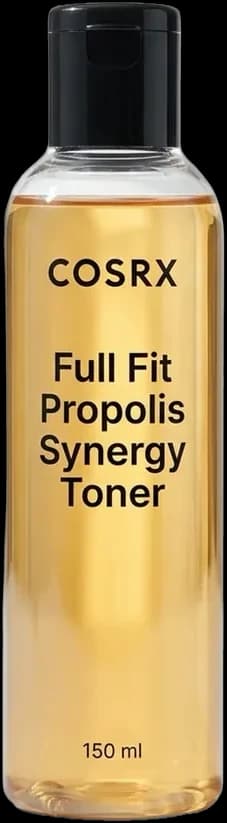
COSRX describes Propolis Toner as a post-cleansing facial application. Its Original Clear Pad directions instead describe using the two surfaces after cleansing while avoiding the eye area. These examples are not universal directions for all toners and pads; follow your own product.
Account for exfoliants and friction
AAD advises considering exfoliation alongside existing products; irritation may increase with some retinoids or benzoyl peroxide. Do not layer an acid toner and pads merely because they have different category names. Read warnings and clarify personal combinations with a professional.
Answer three questions before buying
Which existing step does this product complement? How and how often is it used according to its own label? Which unit am I comparing? Pad count, bottle volume and personal usage amount are different information. Confirm missing directions or packaging differences with support.
150 ml, 280 ml and 70 pads: choosing a comparison unit
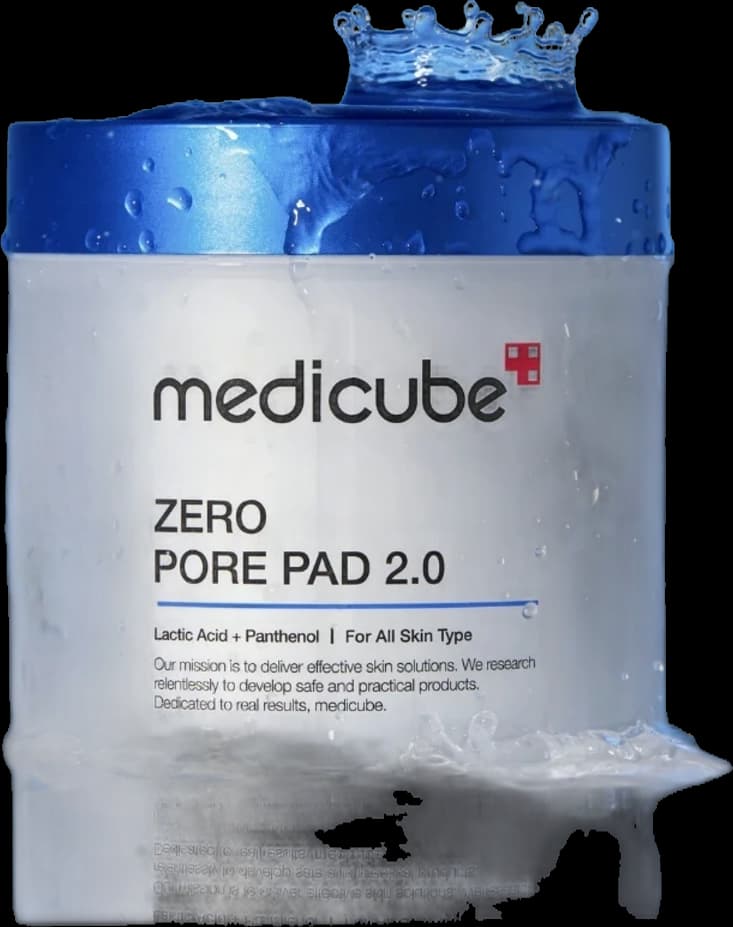
COSRX’s official Propolis Synergy Toner page lists 150 ml and 280 ml options; its Original Clear Pad page lists 70 pads. You can compare bottles by price per 100 ml and pad jars separately by pad count. Do not present 70 pads and 150 ml as the same number of uses: liquid amount, pad size and personal usage vary. These manufacturer examples do not promise MildCoLab stock or pricing.
Even one brand can have different complete formulas
The example Propolis Toner’s complete list includes Propolis Extract and Honey Extract, while Original Clear Pad’s includes Betaine Salicylate. The shared word “toner” should not hide that difference; a pair of featured ingredients still does not replace the full formula. Instructions to wipe with two pad surfaces do not specify a mask contact time. If you already use acids or retinoids, review all product warnings before adding another exfoliating format.
Compare at a glance
- Bottled toner
- Size is given in ml; hand or cotton application depends on the product. Compare equal volumes and do not infer a fixed number of uses from ml.
- Pre-soaked pads
- Count, size, surface and wiping or contact-time instructions all matter. Jar liquid volume and pad count are not the same comparison unit.
- Separate units, separate decisions
- Compare the 150 ml/280 ml bottles by volume; read the 70-pad example by count and size. Neither alone establishes days of use or better results.
Common questions
Does every toner pad exfoliate?
No. Formula and purpose vary. Do not infer acids, sensitive-skin suitability or frequency from the pad format.
Should I use both in one routine?
First check for overlapping steps or ingredients. With exfoliating products especially, review directions and warnings before adding more layers.
How can I compare a pad’s price with bottled toner?
Compare within each format first: equal bottle volumes, or pad count and size. Then consider formula and application preference. Do not convert pad count into ml and assume equal days of use.
Our guides draw on the linked professional organizations and manufacturer directions. Shopping comparisons are our own; follow your packaging and healthcare professional’s advice for personal use.